TRAVEL INSPIRATION
10 Best Places to Visit in Japan in 2026
By Maria Wilson
Reviewed by Jo Tudisco Guntert, Destination Lead and Christopher Crooks, Destination Lead for East Asia
Published September 10, 2025 | Reading Time: 14 mins
TRAVEL INSPIRATION
By Maria Wilson
Reviewed by Jo Tudisco Guntert, Destination Lead and Christopher Crooks, Destination Lead for East Asia
Published September 10, 2025 | Reading Time: 14 mins
From electric Tokyo to serene Kyoto, Japan seamlessly blends the old and the new—where ancient temples stand beside neon skylines, and centuries-old traditions coexist with futuristic innovation. Every stop offers a window into the country’s unique balance of past and present.
Beyond its cities, Japan’s natural beauty unfolds across the snow-dusted peaks of Hokkaido, the tranquil waters around Okinawa, and the sacred slopes of Mount Fuji. Culinary adventures—from Osaka’s sizzling street food to Kyoto’s refined kaiseki—bring local culture to life in every bite.
With destinations as diverse as Hiroshima’s poignant memorials, the wild forests of Yakushima, and the charm of the Japanese Alps, Japan invites every traveler to find their own rhythm. Guided by expert insight, each journey can be crafted to reveal the country’s soul.
Japan is one of the world’s most popular travel destinations, blending ancient traditions with vibrant modern cities. From serene temples and timeless gardens to neon-lit districts and world-class cuisine, the country offers countless ways to experience its unique culture.
Whether our clients are experiencing Japan for the first time or returning to uncover new layers of its culture, our Destination Experts are often asked to share their favorite cities, regions, and hidden corners as they design each journey. Drawing on the insight of our Destination Leads, Jo Tudisco Guntert and Christopher Crooks, here are the 10 best places to visit in Japan: a collection of unforgettable places and off-the-beaten-path discoveries to inspire your next adventure.
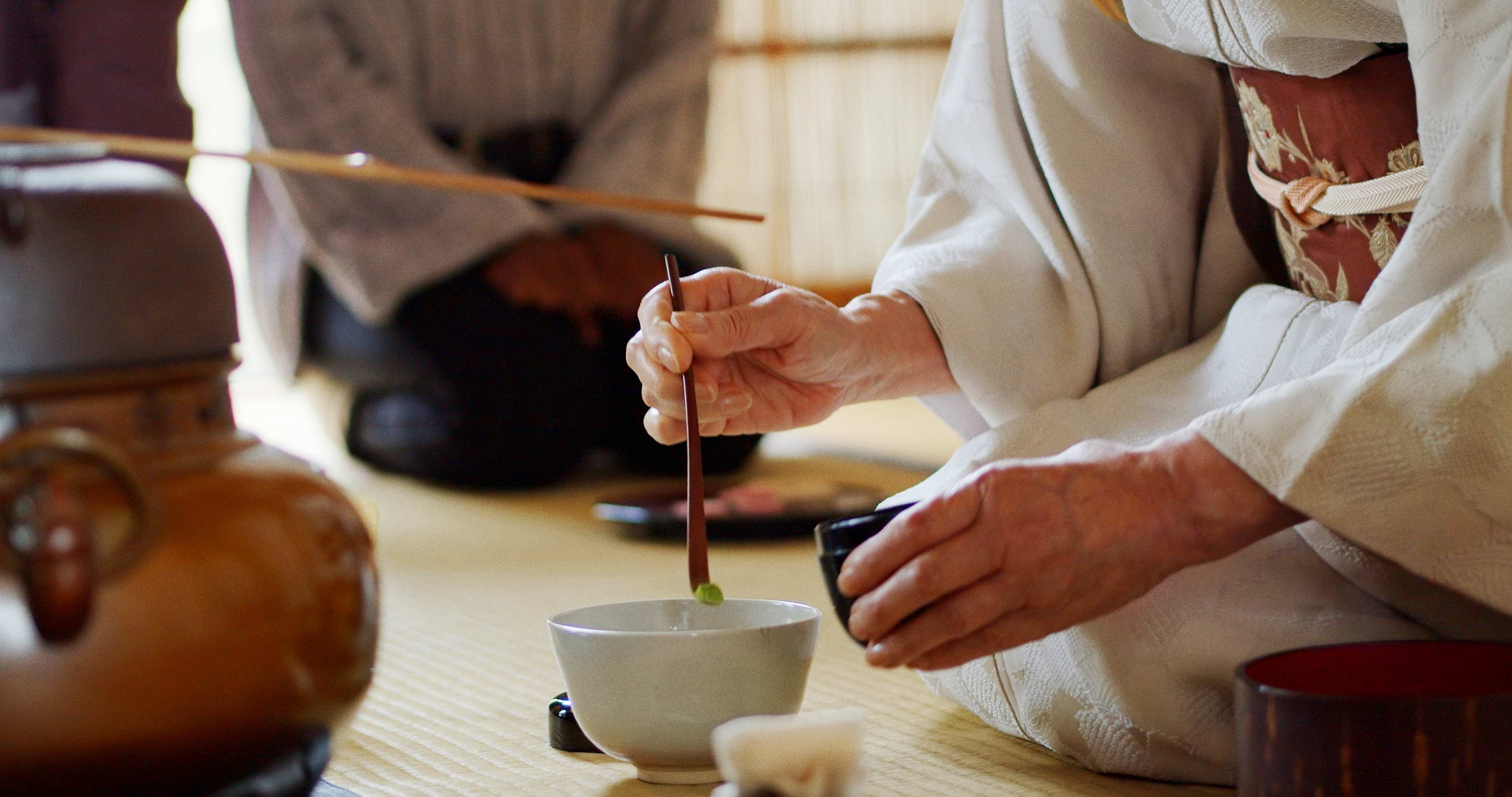
Tokyo is a city of contrasts, where centuries-old traditions coexist with cutting-edge modernity. Begin in the serene Hamarikyu Gardens, once the retreat of a feudal lord, where seawater ponds rise and fall with the tides. Pause at a teahouse for matcha and sweets while learning about the art of sado, the Japanese tea ceremony. Then step into the past in Asakusa, home to the iconic 7th-century Sensoji Temple, its gates opening onto lively Nakamise Street with stalls selling traditional crafts and street snacks.
Food lovers won’t want to miss Tsukiji’s outer market, where sushi breakfasts, steaming tamagoyaki, and even wasabi ice cream capture Tokyo’s playful spirit. Beyond the highlights, our Destination Lead Jo Tudisco Guntert suggests exploring more local sides of the city: “Wander Yanaka Ginza for a nostalgic market street vibe, or head to Kappabashi, Tokyo’s Kitchen Street, for beautifully crafted pottery and unique cooking tools.”
For a glimpse of Tokyo’s future, Destination Lead Christopher Crooks recommends “the immersive digital art of TeamLabs. It’s an extraordinary, interactive experience that feels like stepping into another world.”
Whether you’re exploring tranquil gardens, old-town neighborhoods, or neon-lit Shinjuku at night, Tokyo is endlessly fascinating—a city that reveals a new layer with every visit.
Kyoto, Japan’s ancient capital, is the country’s cultural soul, where every street and shrine seems to whisper stories of centuries past. Begin at Sanjusangendo, home to 1,001 golden statues of Kannon, the goddess of mercy, an awe-inspiring sight housed in the world’s longest wooden hall. At Kiyomizudera, admire sweeping city views from the temple’s vast wooden stage, then wander down through Higashiyama’s charming backstreets lined with teahouses, craft shops, and kimono boutiques. Nearby, Kenninji invites quiet reflection with its raked stone gardens and dramatic twin dragon ceiling mural.
Christopher suggests, “Wander Nishiki Market to discover Kyoto’s seasonal foods, from pickles to fresh tofu. It’s the city’s pantry and one of my favorite ways to taste the city’s traditions.”
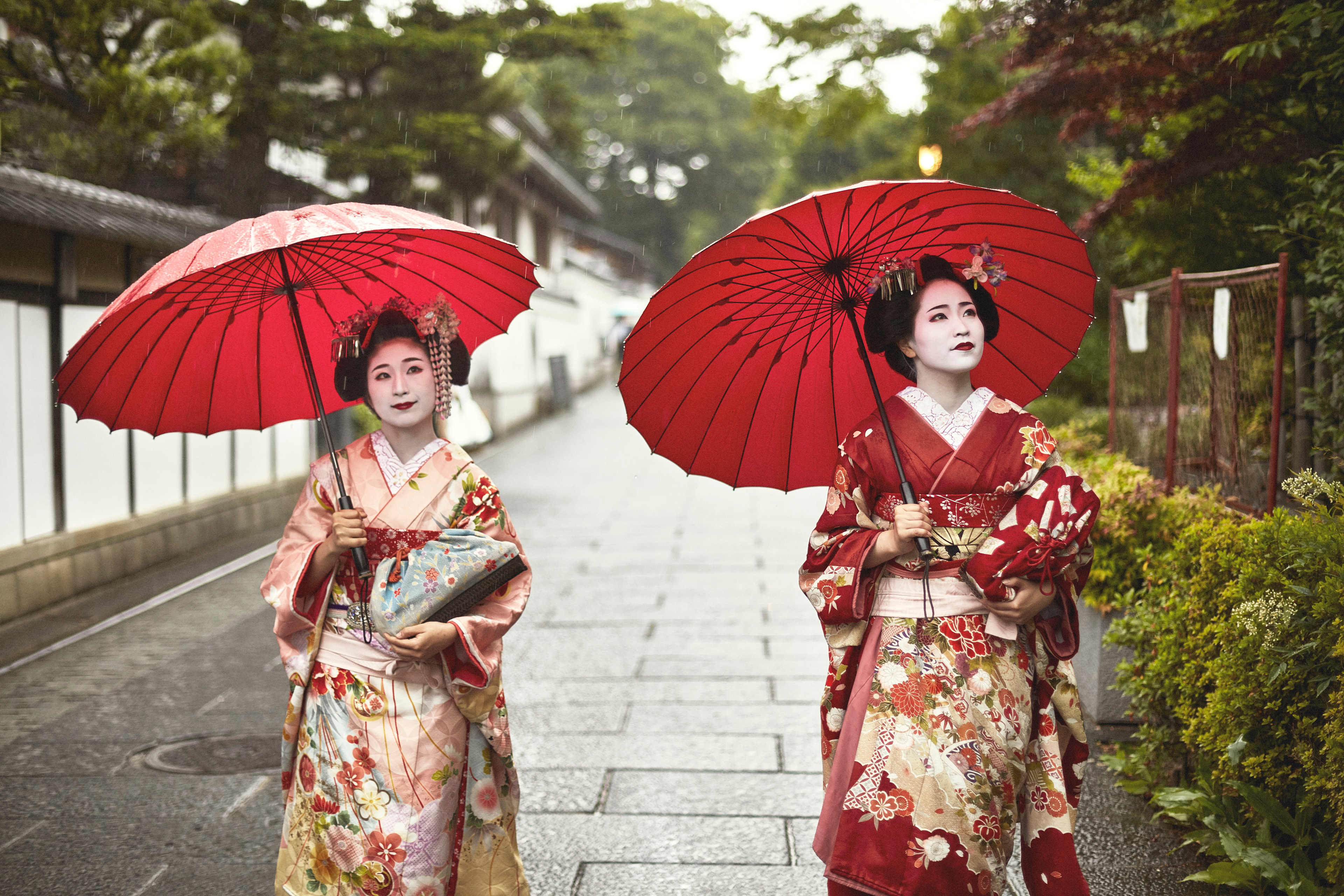
Equally unmissable is a walk beneath the endless vermilion torii gates at Fushimi Inari Shrine. Jo recommends Gion for a more artisanal experience: “Explore Gion and Higashiyama for tea, fine fabrics, and handcrafted goods. It’s also the perfect place to enjoy a traditional tea ceremony in kimono.”
Venture west to Arashiyama to explore the beauty of its hidden bamboo groves, mossy temples and quiet gardens before arriving at the famed bamboo forest. In Kyoto, moments of beauty reveal themselves everywhere—whether in the hush of a Zen temple or in a bustling market filled with the flavors of the season.
Known as Japan’s kitchen, Osaka is a city that comes alive through its food, neighborhoods, and infectious energy. Start with Osaka Castle, where the reconstructed keep rises above moats and gardens, offering sweeping views and a glimpse into the city’s samurai past. From there, wander into Shinsekai, a retro district where the postwar dream still lingers in neon signs, narrow alleys, and the iconic Tsutenkaku Tower. For a modern contrast, head to Abeno Harukas, Japan’s tallest skyscraper, for panoramic city views that stretch to the sea.
Food is the heart of the city, and Jo recommends eating your way through the Dotonbori District. “Try street food classics like takoyaki and okonomiyaki, then slip into a back-alley izakaya for something more local. It’s Osaka at its most vibrant.”
Christopher adds, “For a different side of the city, spend an evening playing arcade games at Round 1. It’s where the locals go for a fun night out. It’s as much a part of Osaka’s culture as its street food.”
Whether savoring melt-in-your-mouth wagyu, exploring bustling market streets, or getting swept up in the city’s playful nightlife, Osaka leaves you both well-fed and endlessly entertained.
Hiroshima is a place that balances profound history with inspiring renewal. At the heart of the city lies the Peace Memorial Park, created to honor the lives lost in the atomic bombing of 1945. Its many monuments, statues, and memorials invite quiet reflection, but the most powerful experience is inside the Peace Memorial Museum. Destination Lead Christopher calls it “an absolute must-see for any age. It’s an unforgettable, moving experience that deepens your understanding of both Hiroshima’s tragedy and its message of peace.”
From the city, a fast ferry whisks you across the Inland Sea to sacred Miyajima Island, one of Japan’s most iconic landscapes. Rising from the water stands the vermilion floating torii gate, a UNESCO World Heritage Site and symbol of harmony between nature and spirituality. “Taking the ferry over to see the floating gates is something I always recommend,” says Jo. “The shrine and its surroundings are among the most beautiful and serene in all of Japan.”
Stroll past shrines and temples, sample maple-leaf-shaped cakes, and enjoy the island’s timeless atmosphere before returning to the city. In Hiroshima and Miyajima, past and present intertwine in ways both humbling and unforgettable.
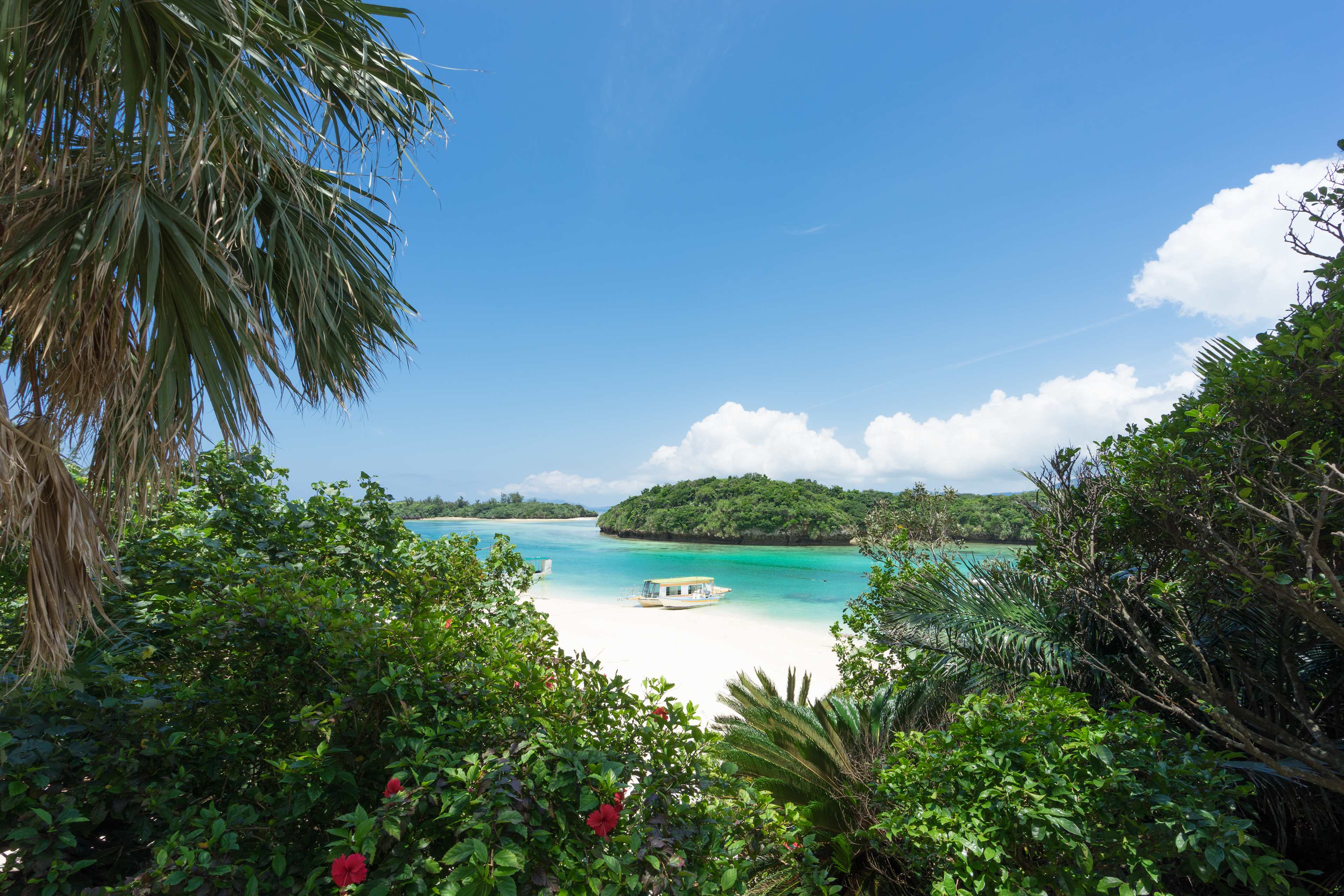
Far to the south of Japan’s main islands, Okinawa feels like a world apart. Shaped by centuries of Ryukyu, Chinese, Southeast Asian, and American influence, this subtropical archipelago has its own distinct culture, cuisine, and pace of life. Known for the remarkable longevity of its people, Okinawa’s food plays a key role; dishes like goya chanpuru (a stir-fry with vitamin-rich bitter melon), tender rafute pork braised in Awamori rice liquor, and Okinawa soba noodles topped with marinated spareribs offer both nourishment and deep tradition. Sweet treats like Okinawan brown sugar and refreshing Awamori cocktails showcase the island’s unique flavors.
But Okinawa’s appeal is not just on the plate. With white-sand beaches, coral reefs, and a rich spiritual heritage, it’s also a place of celebration. Destination Lead Jo recommends visiting in late summer: “August brings the Eisa Festival, with traditional drums, dancing, and incredible parades. It’s one of the most exciting times to experience Okinawan culture firsthand.”
Here, every moment feels infused with rhythm, color, and vitality—an island escape that balances relaxation with cultural discovery.
Japan’s northernmost island, Hokkaido, offers a dramatic contrast to the country’s bustling cities. Vast open skies, snow-capped peaks, and volcanic landscapes make it a haven for outdoor enthusiasts year-round. In winter, the island is synonymous with powder snow, drawing skiers and snowboarders from around the globe to resorts like Niseko. Come summer, the mountains transform into hiking and cycling trails, while fields of lavender in Furano burst into fragrant bloom.
Hot springs are part of daily life here, with steamy onsen villages such as Noboribetsu and Jozankei offering the perfect place to unwind after exploring. Sapporo, Hokkaido’s lively capital, is famous for its namesake beer and rich miso ramen, as well as its annual Snow Festival, where enormous ice sculptures line the streets. Autumn paints the island in fiery shades of red and gold, making it one of Japan’s most beautiful spots for seasonal foliage.
In Hokkaido, nature leads the way, whether you’re soaking in an outdoor hot spring, wandering a flower field, or marveling at snow artistry under a winter sky.
Set on Japan’s southern island of Kyushu, Fukuoka is a city that blends coastal charm with cutting-edge modernity. Known as one of Japan’s most livable cities, it offers a relaxed pace alongside rich history. Explore the ruins of Fukuoka Castle in Maizuru Park, stroll the bustling Canal City shopping complex, or enjoy panoramic views from Fukuoka Tower. The city is also a food lover’s paradise—famous for its Hakata ramen, best enjoyed at one of the many open-air yatai food stalls lining the riverside.
Beyond the city, day trips open the door to Kyushu’s wonders, from the hot springs of Beppu to the volcanic landscapes of Mount Aso. Seasonal festivals, including colorful summer matsuri, add to Fukuoka’s lively atmosphere. Whether you’re sampling fresh seafood at Yanagibashi Market or relaxing along the waterfront in Momochi Seaside Park, Fukuoka invites travelers to experience both tradition and innovation. It’s the ideal entry point for exploring the cultural and natural treasures of Kyushu.
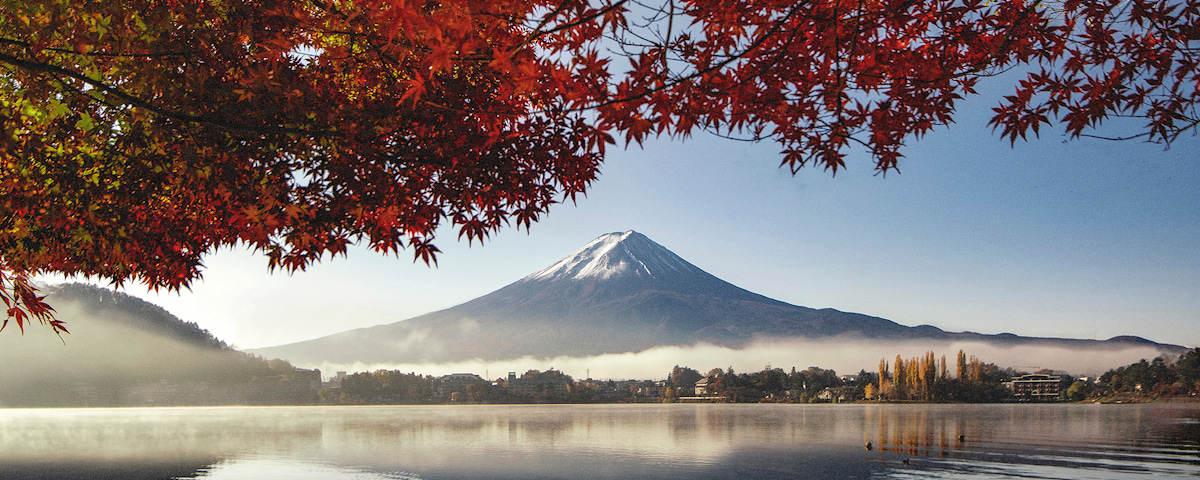
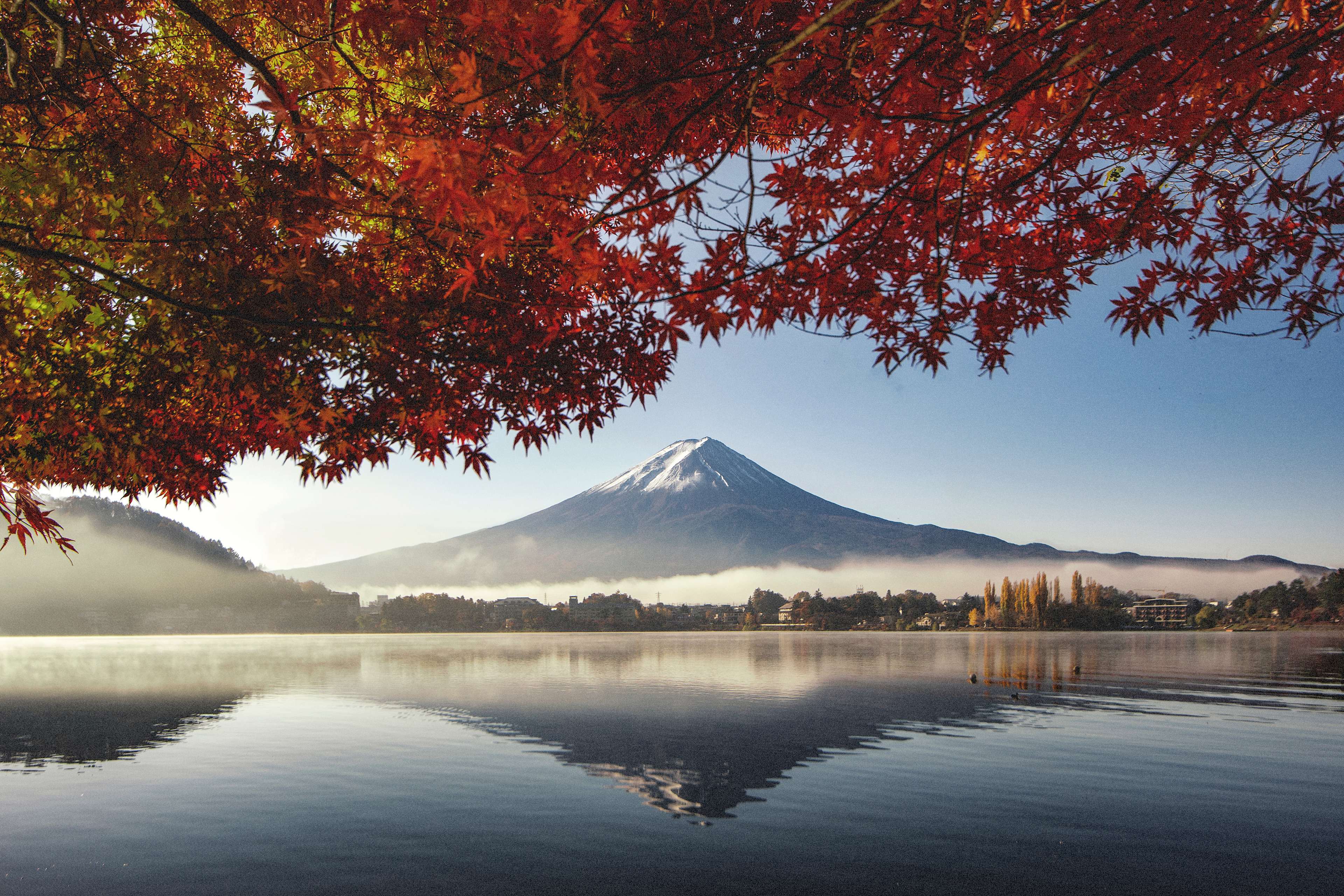
Rising gracefully above the landscape, Mount Fuji is Japan’s most iconic symbol. Whether admired from afar or explored up close, the mountain inspires awe in every season. Autumn is particularly magical. “Visit in the fall for gorgeous colors and crisp weather,” recommends Destination Lead Jo. “It’s one of the best times to see Fuji in all its glory.”
For many travelers, the ultimate experience is staying in a traditional ryokan near the mountain. Destination Lead Christopher shares: “A ryokan stay with a kaiseki dinner and relaxing in an outdoor onsen with Fuji in the background is my favorite Japan experience.” Watching steam rise from the hot spring against the snowcapped peak is unforgettable.
Nearby Hakone and Kawaguchiko offer easy access, with museums, gardens, and scenic ropeways framing spectacular views of Fuji. Whether hiking the trails in summer, savoring local specialties, or soaking in an onsen as the mountain reflects in the water, Mt. Fuji is more than a sight—it’s an experience of Japan’s spirit.
Stretching across central Honshu, the Japanese Alps are a region of dramatic peaks, quaint towns, and cultural immersion. In Takayama, mornings begin at the riverside market, where local vendors sell everything from fresh produce to handmade crafts. “The morning market is perfect for tasting local flavors and snacks,” says Christopher.
For hikers, few experiences rival the Nakasendo Highway, a preserved Edo-period trail linking post towns Magome and Tsumago. “Walking this route offers stunning views and a glimpse into old Japan,” notes Jo. The trail is lined with traditional inns, teahouses, and mountain vistas that feel frozen in time.
In Nagano Prefecture, the famous snow monkeys of Yudanaka delight visitors as they soak in natural hot springs. Staying overnight in a ryokan nearby allows you to enjoy the same onsen traditions, complete with tatami rooms and kaiseki meals. The Japanese Alps embody the balance of nature and culture, where dramatic landscapes meet centuries-old ways of life.
Far to the south of Kyushu lies Yakushima, a subtropical island of misty mountains, moss-carpeted trails, and thousand-year-old cedar trees. A UNESCO World Heritage Site, it’s often described as the inspiration for the enchanted forests of Studio Ghibli’s Princess Mononoke. Hiking here is unforgettable, with trails leading to towering yakusugi cedars, some over 7,000 years old, and waterfalls tumbling through lush valleys.
Yakushima is also home to unique wildlife, from playful macaques to deer roaming freely across the island. Offshore, sea turtles nest on sandy beaches each summer, adding to its biodiversity. Despite its natural treasures, the island remains wonderfully unspoiled, accessible yet quiet compared to Japan’s major tourist hubs.
After a day of hiking, travelers can unwind in seaside onsens, where outdoor baths offer views of both mountains and ocean. With its blend of ancient forests, mystical atmosphere, and tranquil hot springs, Yakushima feels like stepping into another world where Japan’s wild, natural beauty takes center stage.
The ten destinations discussed here are merely a starting point for you to discover Japan the way you desire. From the buzzing energy of contemporary Tokyo to the serenity of Kyoto’s ancient temples, you’ll find something unique and personal wherever you go. And with the help of experts such as Jo and Christopher, you’ll encounter the stunning beauty, fascinating traditions, and cutting-edge technology that make Japan one of the best places to visit in Asia.
Ready to plan your custom private-guided trip to Japan? Talk to a Kensington Destination Expert to plan a tailored Japan itinerary designed around your passions and travel style.
Sign up to receive the latest on Luxury Travel, thought leadership, exclusive offers, specials and events.









Experience authentic travel. Request a custom quote today and get one step closer to your personalized trip.
Speak to one of our Destination Experts at 1 888 903 2001