The Kensington Conservation Grant & Exploration Grant: Meet the 2026 Recipients
By The Kensington Content Team
Published October 8, 2026 | Reading Time: 5 mins
By The Kensington Content Team
Published October 8, 2026 | Reading Time: 5 mins
In Mongolia, GPS collars will reveal how endangered saiga antelopes navigate a landscape increasingly shaped by infrastructure, mining, and climate change. Across the mountains of Asia, a portable DNA test could allow local conservationists to identify snow leopards in less than 20 minutes. And off the coast of Panama, local fisher-scientists will help researchers understand—and protect—one of the world's most important tiger shark gatherings.
These projects span species, cultures, and continents, but they share a common purpose: protecting the extraordinary places and living heritage that make our world worth exploring. Travel connects us to places far beyond our own backyards. It introduces us to remarkable landscapes, wildlife, cultures, and communities—and gives us a shared responsibility to help preserve them for generations to come.
It’s why Kensington partners with The Explorers Club. Since 1904, The Explorers Club has brought together scientists and storytellers from every discipline and corner of the globe, united by a single mission: advancing human knowledge in the name of research and conservation.
Through our partnership, we aim to empower those pushing the boundaries of discovery and fill the gaps of underfunded research that helps ensure a more vibrant and sustainable future.
In 2025, Kensington announced a $1,000,000 initiative, known as the Kensington Conservation Grant, to support vital, on-the-ground conservation projects and put more explorers into the field. Open to anyone to apply, with particular interest in projects that are led by explorers from equity-deserving groups, this annual commitment helps deepen our understanding of the world around us by providing $10,000 grants.
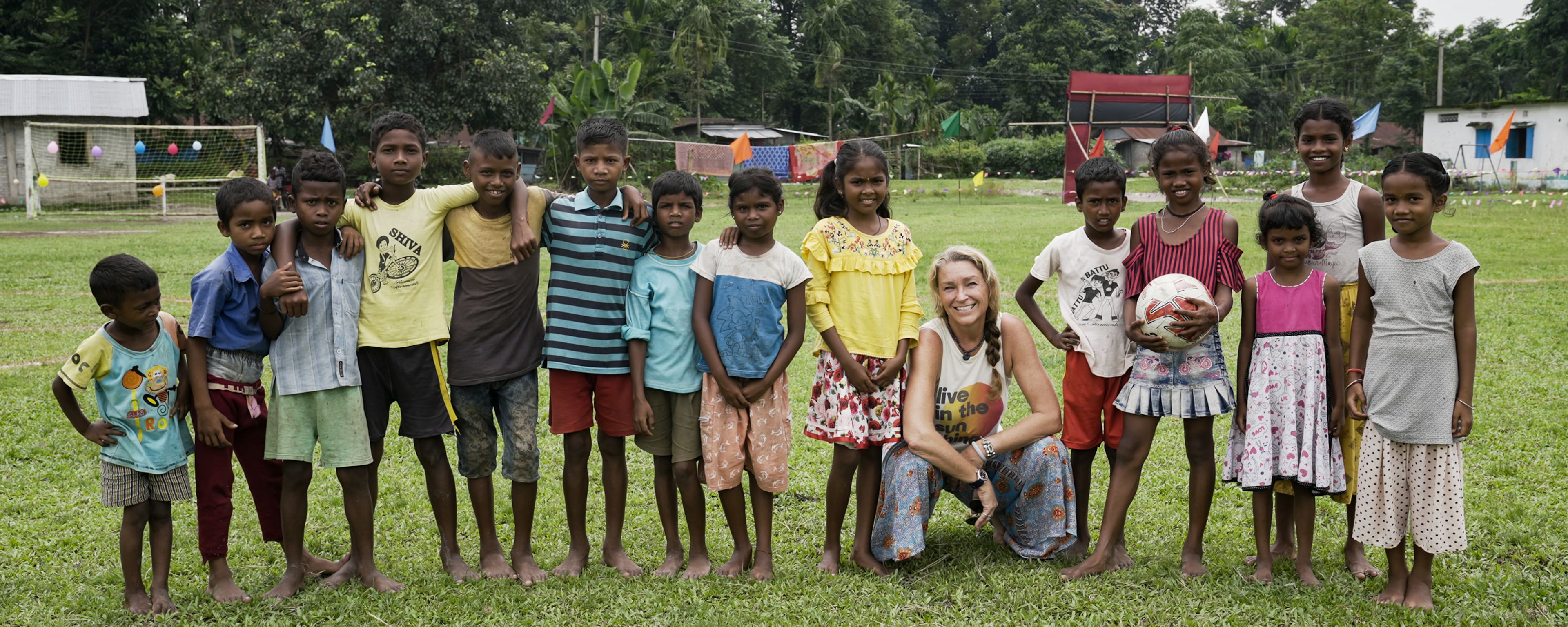
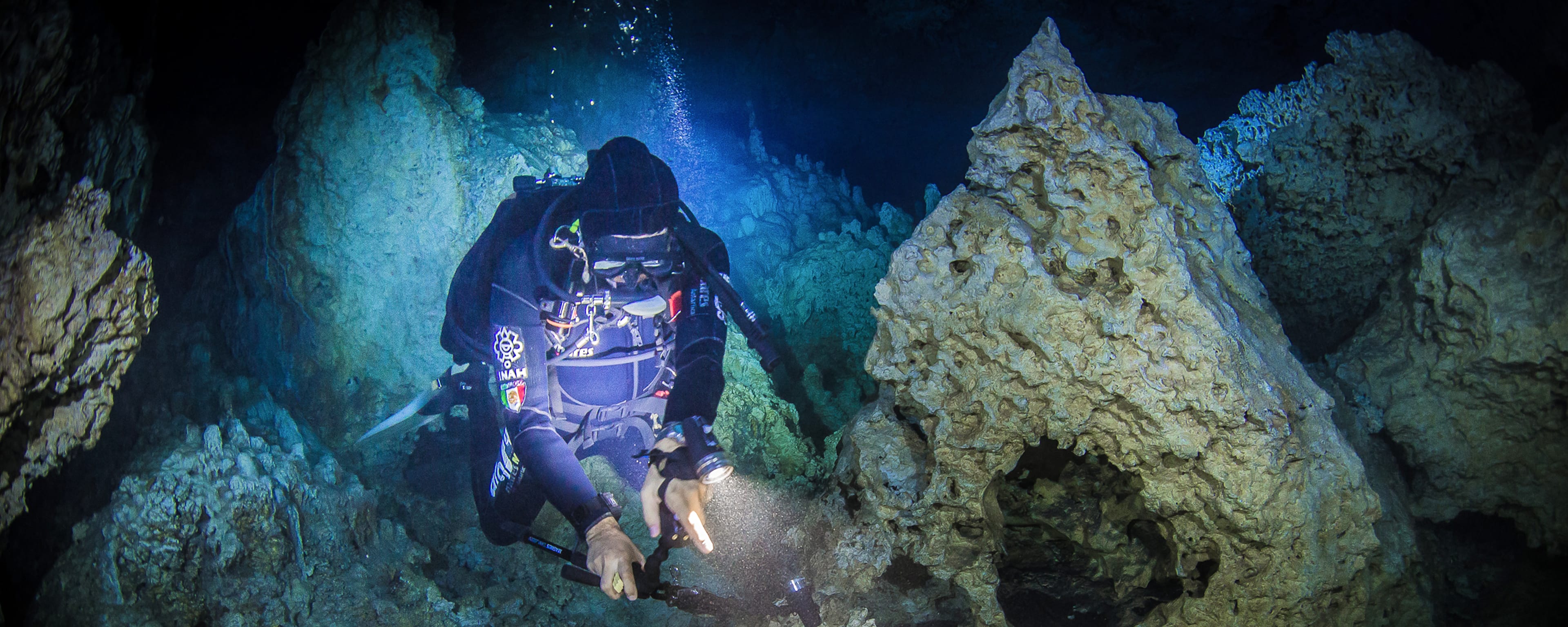
Past recipients include Kim Frank, a storyteller who unites communities in the Eastern Himalaya with endangered elephants, and Octavio Del Río Lara, a researcher who explores ancient human populations in the submerged cave systems of Mexico.
One year later, support for The Explorers Club expanded when we introduced the Kensington Exploration Grant as an additional annual funding pool. This grant was created to address the growing need for experienced scientists and explorers to better understand our ever-changing world and its greatest challenges. Selected recipients within The Explorers Club network are invited to apply, with the hope of empowering individuals with a track record of success with grants up to $25,000.
We are pleased to share our 2026 recipients of the Conservation and Exploration grant programs. Collectively, Kensington Cares support is fueling $278,000 of projects this year through this partnership alone.
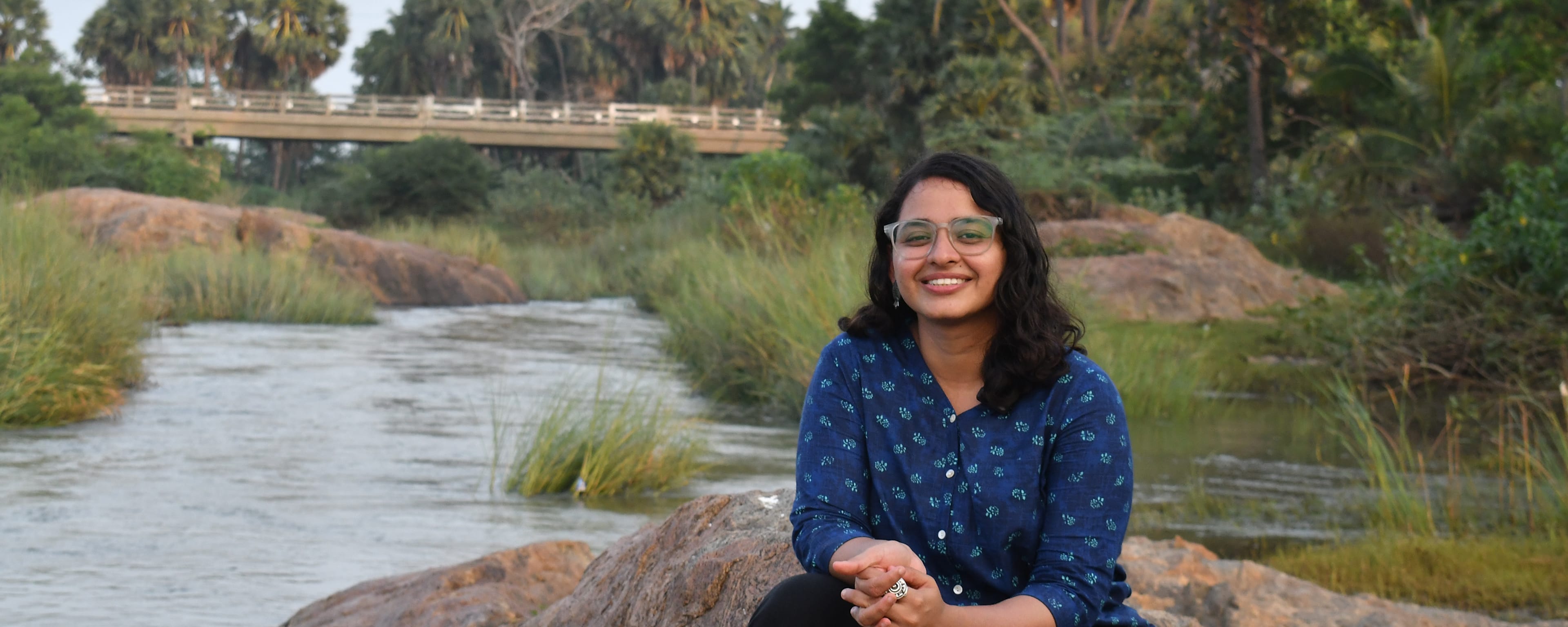
Sneha Shahi (India)
Living Landmarks: Learning from the Confluence of People and Rivers
River conservationist Sneha Shahi turned a dead urban stream into a thriving crocodile and turtle habitat, earning national headlines and recognition as a UN Environment Programme Tide Turner Champion. Through her Living Landmarks initiative, she's now transforming centuries-old stone pavilions into hubs for water monitoring and river education, training the next generation of "River Guardians" along the way.
Doris Njagi (Kenya)
Mangroves, Bees & Timber: A Community-Based Model for Biodiversity and Climate Resilience
Doris Njagi is a Kenyan social entrepreneur working at the intersection of forest restoration, circular economy design, and women's economic empowerment. As the founder of Lamu Décor, she leads a women-led enterprise turning upcycled materials into sustainable furniture and home décor, while spearheading community reforestation across coastal Kenya through agroforestry and mangrove restoration, equipping women in forest-edge communities to become producers and innovators in climate action.
Francis Chebby (Tanzania)
The Last Kipunji
Francis Chebby is a conservation biologist and spatial ecologist applying GIS, remote sensing, and field ecology across Tanzania's Rungwe–Kitulo landscape. His project maps habitat fragmentation, models climate-driven changes, prioritizes wildlife corridors, and assesses community-based ecotourism to protect the endangered kipunji monkey, combining empirical data with visual storytelling to support landscape connectivity and sustainable ecosystem management in the Southern Highlands.
K. David Harrison (Vietnam)
People of the Forest: Biocultural Documentation with the Bahnar of Vietnam
K. David Harrison continues and expands a community-based research partnership with the Bahnar people in Vietnam's Central Highlands, integrating three programs: documenting Bahnar animist cosmology and forest animacy, co-developing a multimedia Bahnar-English Talking Dictionary, and studying Bahnar material culture. His work has produced five peer-reviewed studies, known as the most comprehensive English-language documentation of Bahnar ecological knowledge to date. He’s creating a scientific baseline for environmental policy grounded in Indigenous observation, while the Talking Dictionary and video archive give the community lasting tools for intergenerational knowledge transmission.
Rebecca Hui (Colombia, Brazil, Indonesia, Malaysia)
From Rainforests to the Runway: Connecting Indigenous Bioeconomy Solutions with Cultural IP
Rebecca Hui expands The Rurban Library, a digital archive connecting Indigenous artists with global brands, through field documentation and digitization of bioeconomic craft knowledge across three rainforest and ocean regions, integrating FPIC workshops, oral histories, and material culture. Building on a decade of work linking grassroots Indigenous communities with the art and culture industry (resulting in over 5.1 million products featuring Indigenous heritage), her project aims to digitize 450+ artworks, train 20 local coordinators, return 85% of brand licensing profits to communities, and support stewardship of over 350,000 hectares of forest.
Samuel Ramsey (Peru)
Social Insect Biodiversity Survey of the Boiling River Ecosystem
Samuel Ramsey leads the first focused survey of social insects—ants, stingless bees, and social wasps—across thermal gradients at the Boiling River, examining how eusocial insects survive under extreme heat using standardized transects, nest searches, and noninvasive environmental sampling. His research generates novel data on physiological and behavioral adaptations to thermal stress, with implications for pollinator resilience and food-system stability, while offering a visually striking, publicly compelling window into the realities of climate change.
Natalie Schmitt (Multiple Countries, Asia)
Returning DNA to the Mountains: Decentralizing Genetic Access in Snow Leopard Conservation
Natalie Schmitt leads a collaborative, field-based pilot to co-develop and test a portable, electronics-free DNA detection system for snow leopard fecal samples, enabling genetic confirmation in under 20 minutes at remote field sites. Advancing WildTechDNA's rapid detection technology, her project aims to prove the concept across 12 snow leopard range countries, decentralizing conservation science to frontline communities and advancing data sovereignty and community co-design in alignment with the Global Snow Leopard and Ecosystem Protection Program.
Christian Rutz & Bayarmaa Chuluunbat (Mongolia)
Helping an ice-age relic survive in the Anthropocene: satellite-tracking of endangered saiga antelopes in western Mongolia
Christian Rutz and Bayarmaa Chuluunbat are leading a one-year pilot deploying GPS collars on 10 Mongolian saiga antelopes ahead of imminent infrastructure development, generating the first high-resolution tracking data in two decades, including hourly GPS fixes charting saiga movements in detail. The data will inform protected-area design, anti-poaching enforcement, and herder-coexistence strategies, helping decisionmakers mitigate impacts from infrastructure, mining, livestock encroachment, and climate change, while shaping multilateral policy action through CITES and CMS conventions.
Carrie Dolan (Kenya)
A Data-Driven Decision Intelligence Approach To Enhance Community and Environmental Health Resilience in Kenya
Carrie Dolan's project renovates critical field infrastructure in rural Kenya, providing safe housing and workspace for students and staff conducting data-driven climate and health research. By addressing the lack of reliable accommodation in a remote setting, the initiative supports interdisciplinary research linking climate, water, and health—improving vaccine and nutrition resource allocation for vulnerable communities—and lays the groundwork for a scalable, community-engaged model for climate-related health research.
Elodie Freymann (Peru, Germany, United States)
Project Eco-Medicine
Elodie Freymann leads the first systematic investigation of animal self-medication (zoopharmacognosy) in the central Peruvian Amazon, building on 2025 findings of tayras, coatis, and tamarin monkeys rubbing medicinal resin on their bodies. Her project aims to document the first confirmed cases of self-medication in the region and could establish the first policy framework protecting a plant species specifically for its role in non-human healthcare, while supporting Indigenous Asháninka collaborators and training opportunities for early-career scientists.
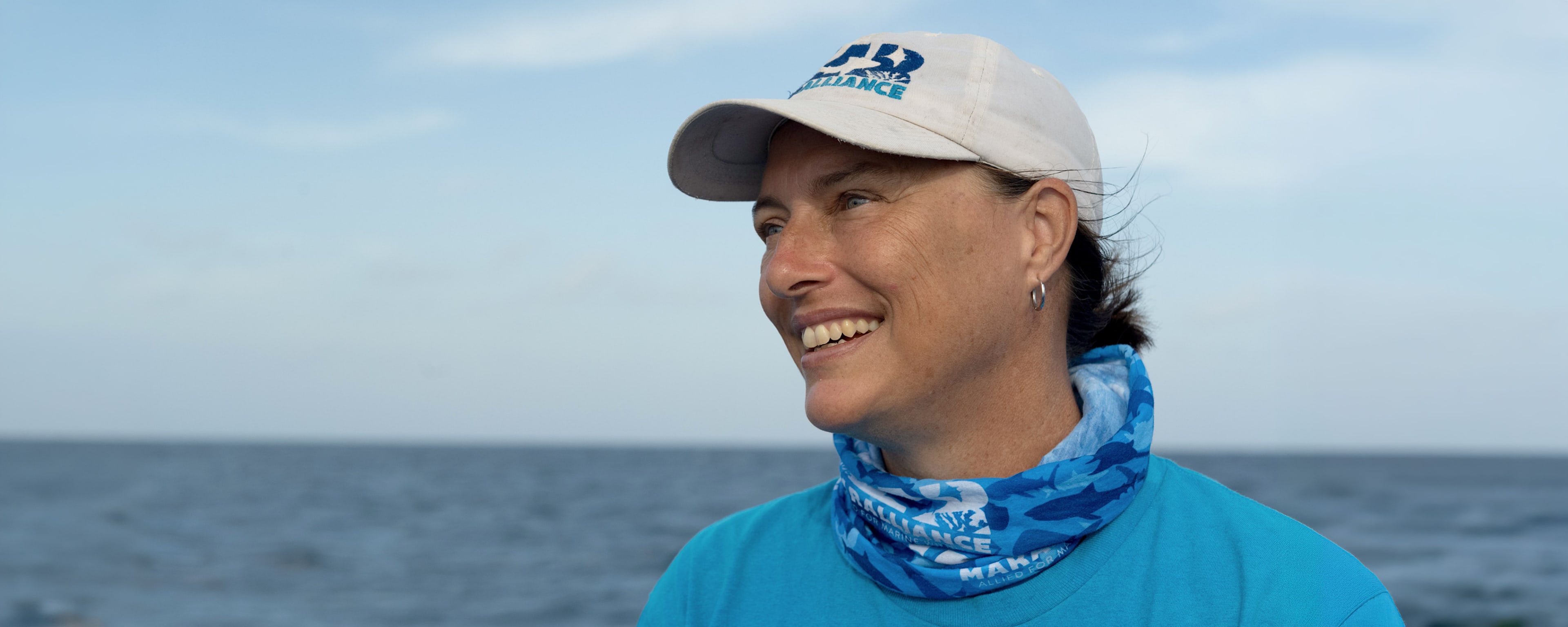
Rachel Graham (Panama)
Discovery and conservation of a globally important tiger shark aggregation
Rachel Graham continues her exploration of a newly discovered, globally significant tiger shark aggregation near Panama City, investigating climate and food-availability drivers and the sharks' spatial ecology through a satellite and acoustic tagging program. Her project supports the area's translation into a potential Marine Protected Area, engages Panama's National Shark and Ray Advisory Committee on policy, and trains 10 local fisher-scientists to establish a pathway toward reduced fisheries impacts and long-term stewardship of tiger sharks.
Keneiloe Molopyane (South Africa)
African Technologies, Identity and Exchange in the Cradle of Humankind, South Africa
Keneiloe Molopyane renews archaeological and historical investigation of South Africa's Cradle of Humankind, focusing on Stone Age and Iron Age occupation at Gladysvale and Uitkomst Caves using modern methods to re-center later African presence in this UNESCO World Heritage landscape. As the first South African Black woman to lead a Cradle expedition in over a decade, she's creating research opportunities for South African students while employing local community members as fieldwork assistants, reclaiming Later African occupation narratives within a landscape historically dominated by palaeoanthropological research.
Mark Hannaford (Jordan, Saudi Arabia)
Traverse Expedition - Petra to Aluha
Mark Hannaford leads a cross-border desert traverse linking Petra and Hegra/Aluha along the ancient Nabataean corridor, integrating microbiology, ecology, geology, and extreme medicine. The expedition aims to engage and inspire future scientists and explorers while collecting multidisciplinary field data on life in extreme arid environments. It also showcases the Saudi Kingdom's landscapes and aims to establish a legacy expedition-science model for a wider program of responsible expedition science.
Kensington Cares is proud to support work that turns the exploration and documentation of our world into action.
Congratulations to our 2026 Kensington Conservation and Exploration Grantees. Together, we’re helping to protect our world for generations to come.
Sign up to receive the latest on Luxury Travel, thought leadership, exclusive offers, specials and events.









Experience authentic travel. Request a custom quote today and get one step closer to your personalized trip.
Speak to one of our Destination Experts at 1 888 903 2001