Ask a Cruise Expert: Everything You Need to Know About Polar Cruises
By The Kensington Content Team
Reviewed by Chris Watkins, Cruise Expert (Polar Regions)
Published August 28, 2026 | Reading Time: 10 mins
By The Kensington Content Team
Reviewed by Chris Watkins, Cruise Expert (Polar Regions)
Published August 28, 2026 | Reading Time: 10 mins
For true explorers, there is no dream bigger than setting foot in the polar regions. Shimmering, remote, and vast beyond imagination, the Arctic and Antarctica sit at opposite ends of the Earth and offer entirely different experiences.
Getting to the polar regions is logistically complex, requiring a combination of air travel and sailing, along with expert guidance from those who know these regions intimately. From trip preparation to arriving in your port city and boarding your polar cruise ship, traveling to the polar regions entails months of planning and research. But you don’t have to do it alone. That’s where Kensington’s Cruise Experts come in.
Chris Watkins, a Kensington Cruise Expert, has 12 years of experience planning polar cruises and helping his clients achieve their dream of reaching the Arctic and Antarctica. We asked Chris for his expert advice for travelers who are curious about making their own expedition to the polar regions, including when to go, what to do, and how to plan for travel to the Arctic and Antarctica.
Chris Watkins, Kensington Cruise Expert, on what to expect when cruising to Antarctica and the Arctic.
The difference between a polar cruise and, say, a Mediterranean or Caribbean cruise is that a polar cruise requires an expert-led approach. A seasoned Cruise Expert will help you plan and build your journey from start to finish, including selecting the ideal route and ship to match your travel preferences, arranging experiences and accommodations before and after your expedition cruise, and letting you know what to expect in the Arctic and Antarctica.
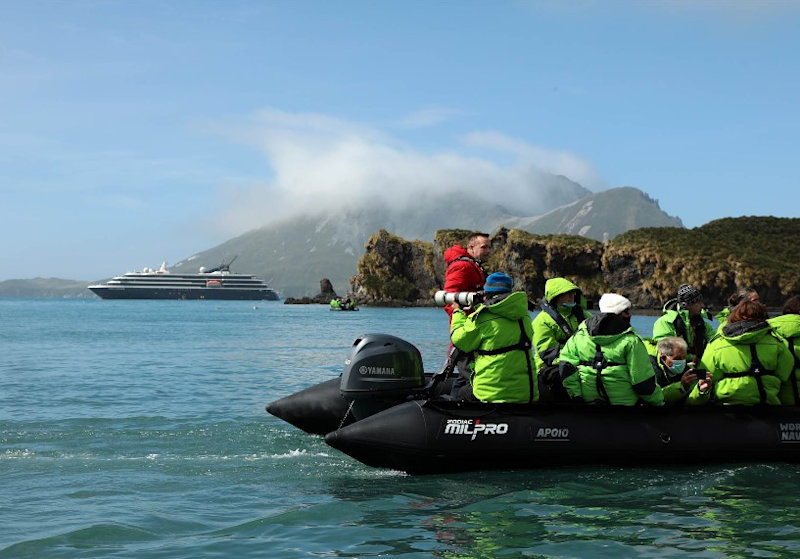
Onboard your expedition cruise, you’ll skip the standard cruise ship entertainment and instead meet scientists, researchers, and experienced explorers for ecology briefings. They will lead you on Zodiac tours, help you seek wildlife like Gentoo penguins in Antarctica and polar bears in the Arctic, and provide valuable insight into the history behind these regions.
At a high level, the primary difference between an Arctic and Antarctic cruise lies in the journey itself.
Antarctic cruises primarily depart from Ushuaia, Argentina, the southernmost city in the world and the capital of Tierra del Fuego. From the port city of Ushuaia, passengers will board their polar cruise experience heading south across the Drake Passage. Alternatively, some travelers may choose to fly the Drake Passage from Punta Arenas, Chile. Think of the Drake Passage as your gateway to Antarctica: two days of sailing that can be smooth or rough, depending on sea conditions, and then, the magic happens.
“As you're crossing the Drake, you're learning about the history and the wildlife, and it's an anticipation that builds and builds and builds,” says Chris. “Then you finally get to the Antarctic Peninsula, and it exceeds expectations. There is nothing like traveling to Antarctica.”
Arctic cruises, on the other hand, offer more departure options from Northern Europe.
“There’s a lot of variety when it comes to the Arctic,” says Chris, “As far as mixing in a little bit of Europe.” Before or after their Arctic expedition cruise, travelers can seamlessly spend time in Iceland, Norway, Greenland, or Denmark, adding more cultural experiences to their voyage.
Antarctica, also referred to as The White Continent, is “the most remote and the most exotic place you can go to on Earth,” says Chris, “and a must-do for an experienced traveler.”
In Antarctica, there are no roads, no villages, no hotels or resorts. The only way to reach Antarctica is on an expedition ship or directly by air. These complexities make access to Antarctica more exclusive, more fulfilling, and more meaningful for those who do get to experience this bucket-list destination.
For wildlife viewing, plan to travel to Antarctica in January, when it’s summer in the south, the days are longer, and wildlife is at its peak.
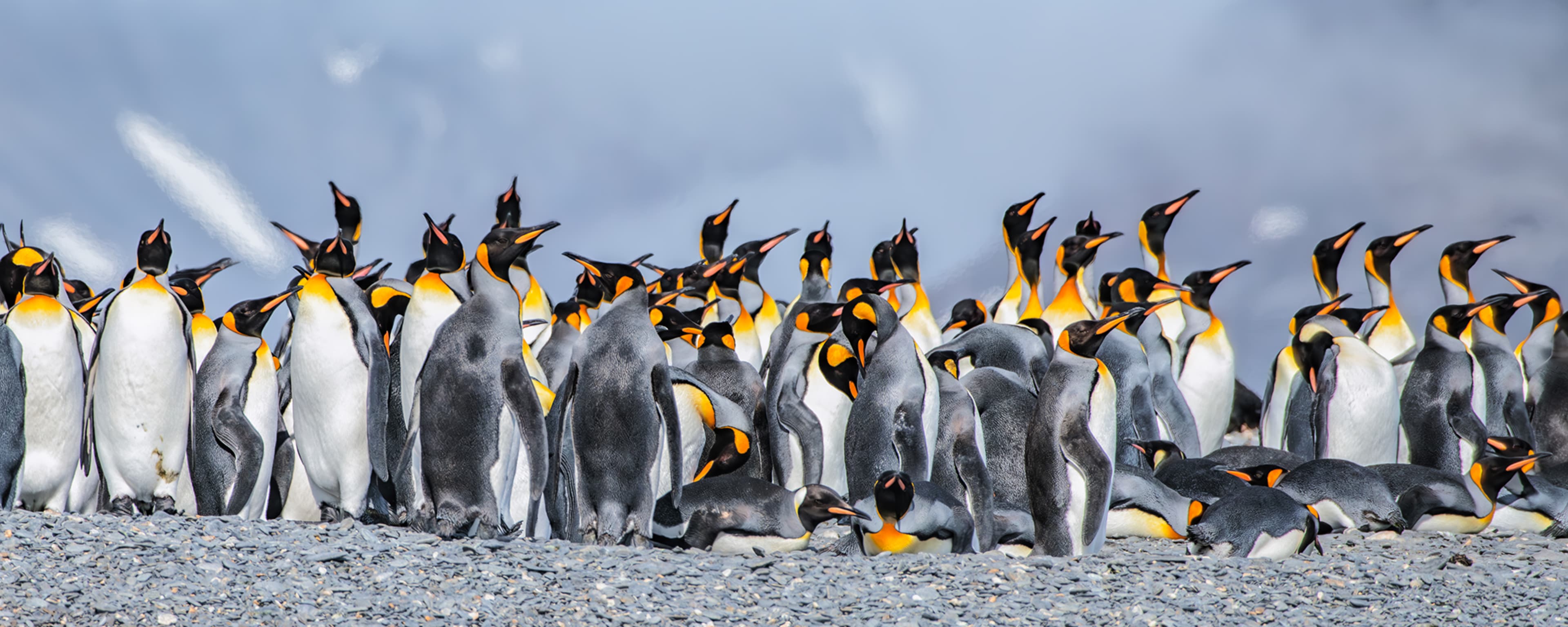
“Penguins are the star of the show. You see them by the hundreds of thousands,” says Chris. At this time of year, you’ll see the chicks of the penguin colonies growing and begging for food from their parents. Seven penguin species can be found in the Antarctic, including Gentoo penguins, Adélie penguins, Emperor penguins, and King penguins. Adélies and Emperors are the only penguin species that breed exclusively on Antarctic ice and cannot be found anywhere else in the world.
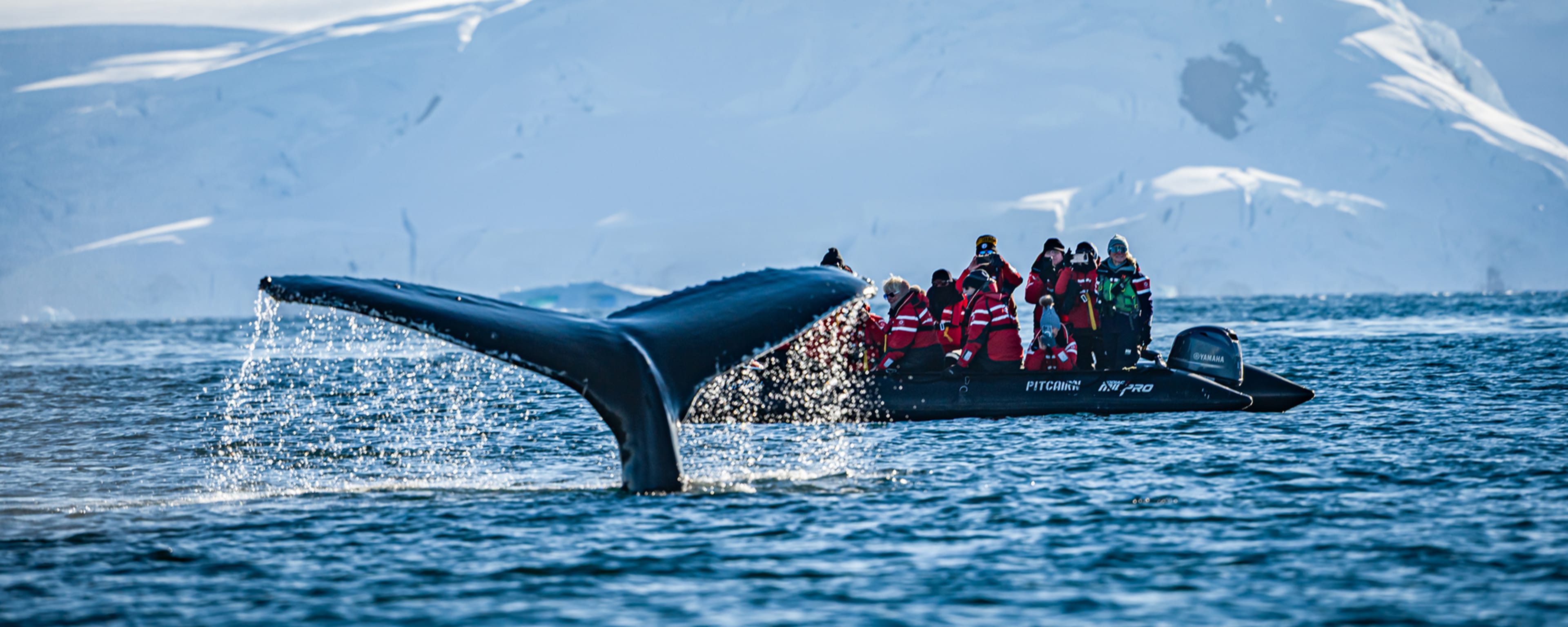
While penguins are the stars, there are plenty of other wild creatures to be excited by. Humpback whales, minke whales, and orcas are frequently spotted. If you’re lucky, you may even get to see the phenomenon of humpback whales engaged in bubble-net feeding.
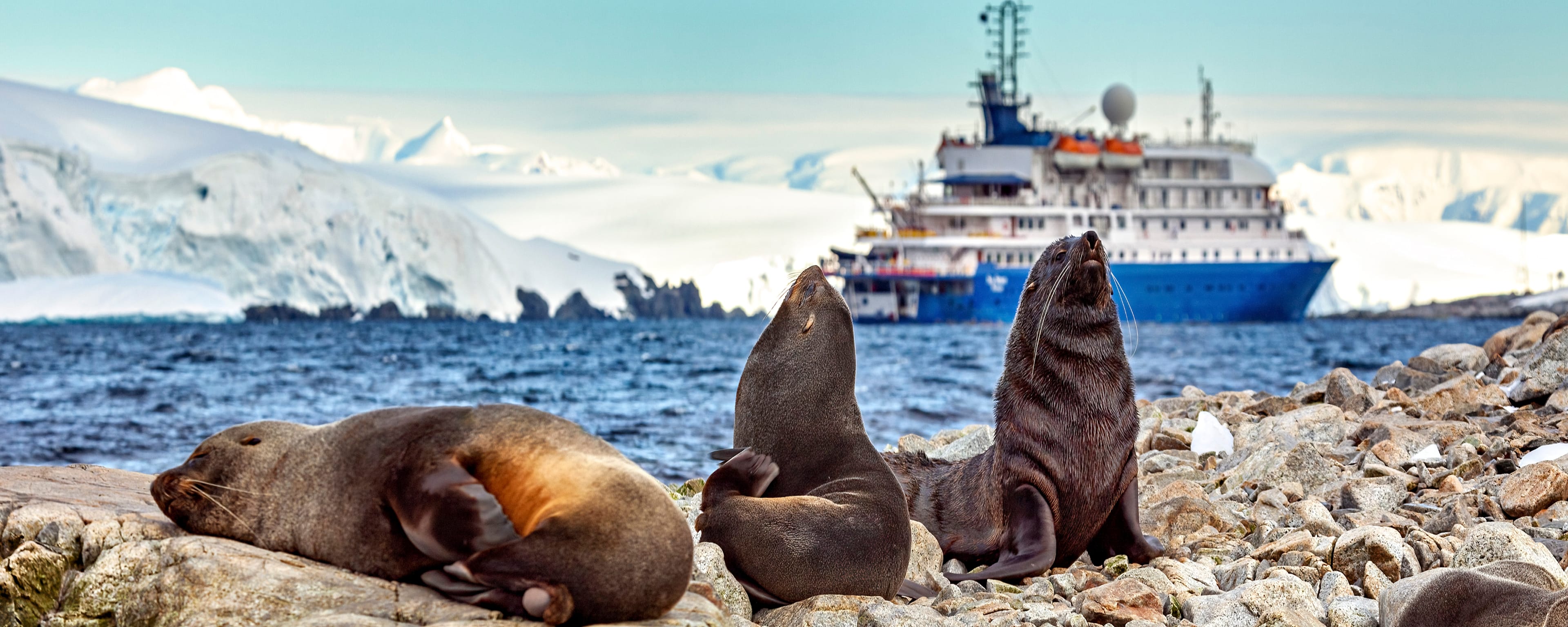
Fur seals and Weddell seals are also commonly spotted in large numbers in the Antarctic, both on icebergs and on beaches. Then, of course, there are the millions of seabirds on display, from Wandering albatrosses and snow petrels to sheathbills and Antarctic skuas.
Beyond wildlife viewing, there are plenty of things to do in Antarctica for all types of travelers on an Antarctic cruise.
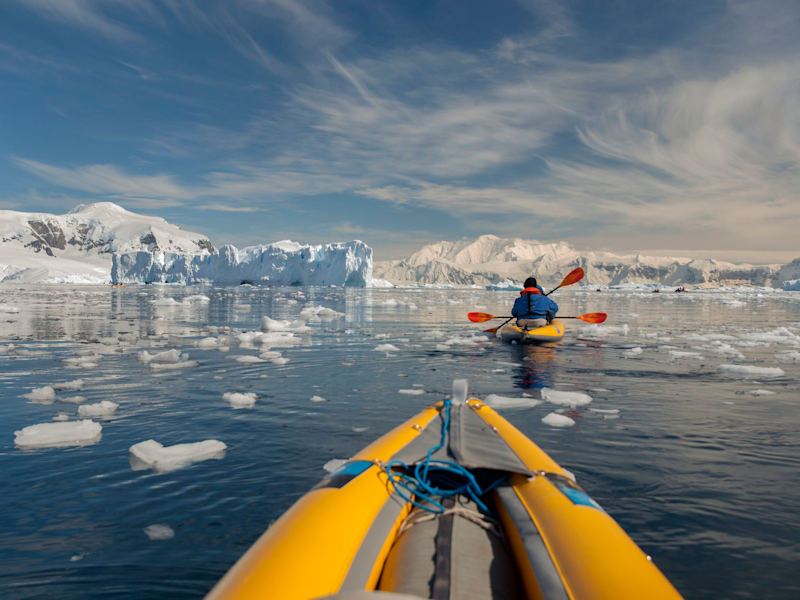
More adventurous travelers can make the most of their time in Antarctica by kayaking among icebergs and alongside wildlife, snowshoeing, and mountaineering. If conditions are favorable, you might even have the opportunity to camp overnight on the ice – one of the rarest experiences on Earth!
Not to be left behind, less adventurous or less active travelers can opt into other activities such as Zodiac rides and guided shore landings for up-close encounters with Gentoo penguin colonies. And onboard, there are naturalist talks to attend, along with photography sessions to capture the otherworldly landscape of Antarctica.
“If you want to get really adventurous, they have options for that,” says Chris, “If you’re not as adventurous, they have options for that, too. But anything you can do while you’re down there, I would highly recommend it.”
The best time to visit the Arctic on a polar expedition cruise is between June and September. “Because of the summertime in the Arctic, you can go kayaking, and there are many different hiking options,” says Chris.
Summer in the Arctic also means travelers can experience the midnight sun, or polar day, a natural phenomenon which causes the sun to stay above the horizon at all hours. Sunny days also mean the ice retreats, making it easier to access coastlines for Arctic tours on and offshore.
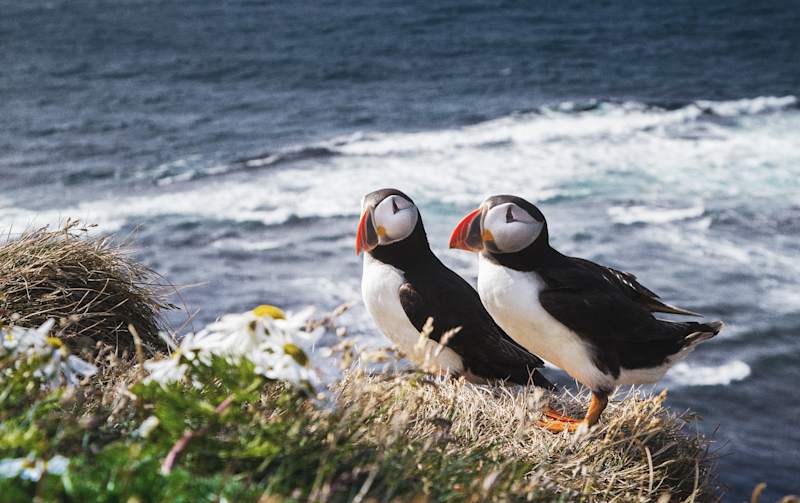
June is just before peak season for Arctic cruises. Arctic travel this month means fewer visitors and the opportunity to see more icebergs, the remnants of winter’s melt. Humpback whales, minke whales, and fin whales are just beginning to arrive back in the Arctic after spending the winter months in the South, and seabird colonies are gathering by the millions for breeding.
From July to August is peak summer, the most popular time for Arctic wildlife cruises. On land, you’ll see the tundra blooming with wildflowers and other flora, attracting reindeer, caribou, and musk oxen. In the water, you may see humpback whales breaching, pods of belugas, and Minke whales feeding.
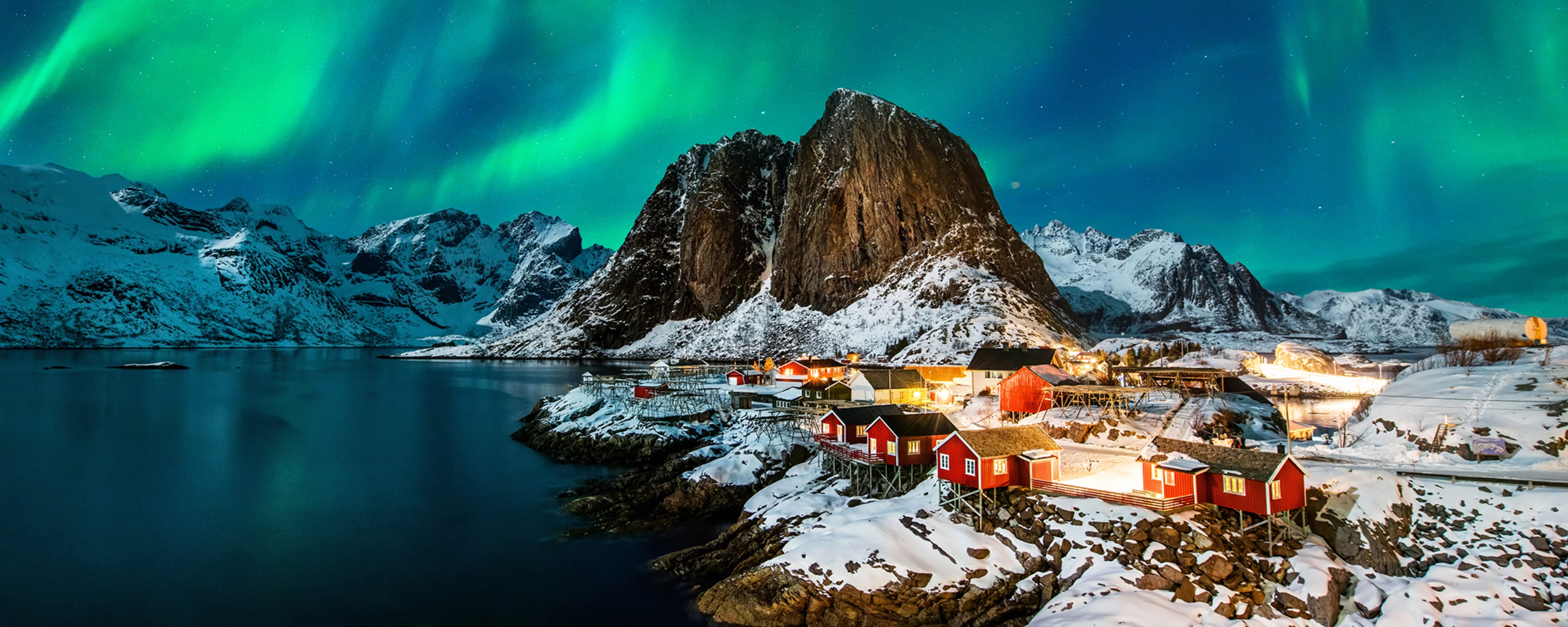
In September, activity begins to wind down in the Arctic. Wildlife is still active but will soon begin its migration season. As the midnight sun begins its shift into shorter days followed by polar nights, visitors may get their first sightings of the aurora borealis – a magical phenomenon where the night sky lights up with streaks of green, purple, and pink.
Typical activities on an Arctic cruise are similar to Antarctic cruises. Zodiac rides are the best way to access coastlines, glaciers, and wildlife, but you can also choose to get more active and go kayaking in polar waters. Feeling brave? Take the polar plunge with the help of your expedition leaders.
Hiking across the Arctic tundra is a popular activity in the summer, providing more access to land that would otherwise be covered in ice and snow in the winter months. Then, of course, there are plenty of wildlife viewing and photography opportunities. If you’re lucky, you might even catch a glimpse of polar bears on ice in the shoulder season.
An Arctic cruise offers more opportunities to combine destinations in Europe with your voyage.
“People gravitate to Norway because it is on the way to Svalbard archipelago,” says Chris, “But whether it’s Greenland, Norway, Denmark, or Iceland, if you are embarking from a European destination, you might as well explore those areas.”
Greenland, for example, offers a true Arctic Circle experience. The land is vast and mostly untouched, apart from a few communities close to shore that have their own unique cultural identity and history.
For your Greenland expedition, you can sail from Iceland, a destination well known for its volcanic landscapes, cascading waterfalls like Skógafoss, and deep fjords like Hvalfjordur. Iceland expedition cruises are also available. Circumnavigate the country’s coastline for a trip to the Arctic Circle from Iceland.
Copenhagen, meanwhile, is a renowned port city and a natural routing point for Scandinavian-Arctic itineraries. Explore Copenhagen’s vibrant culture, design, and Michelin-ranked food experiences while you’re there.
Norway offers a combination of modern city life in Oslo and Bergen with the raw natural beauty of its famous, ancient fjords, such as Geirangerfjord and Hardangerfjord.
But you don’t need to feel like you’re booking two separate trips on your own. The benefit of working with Kensington is that your Cruise Expert can arrange it all in one single, personalized itinerary: your Arctic cruise, land experiences in whichever port cities you choose, and the ideal accommodations for you and your travel partners.
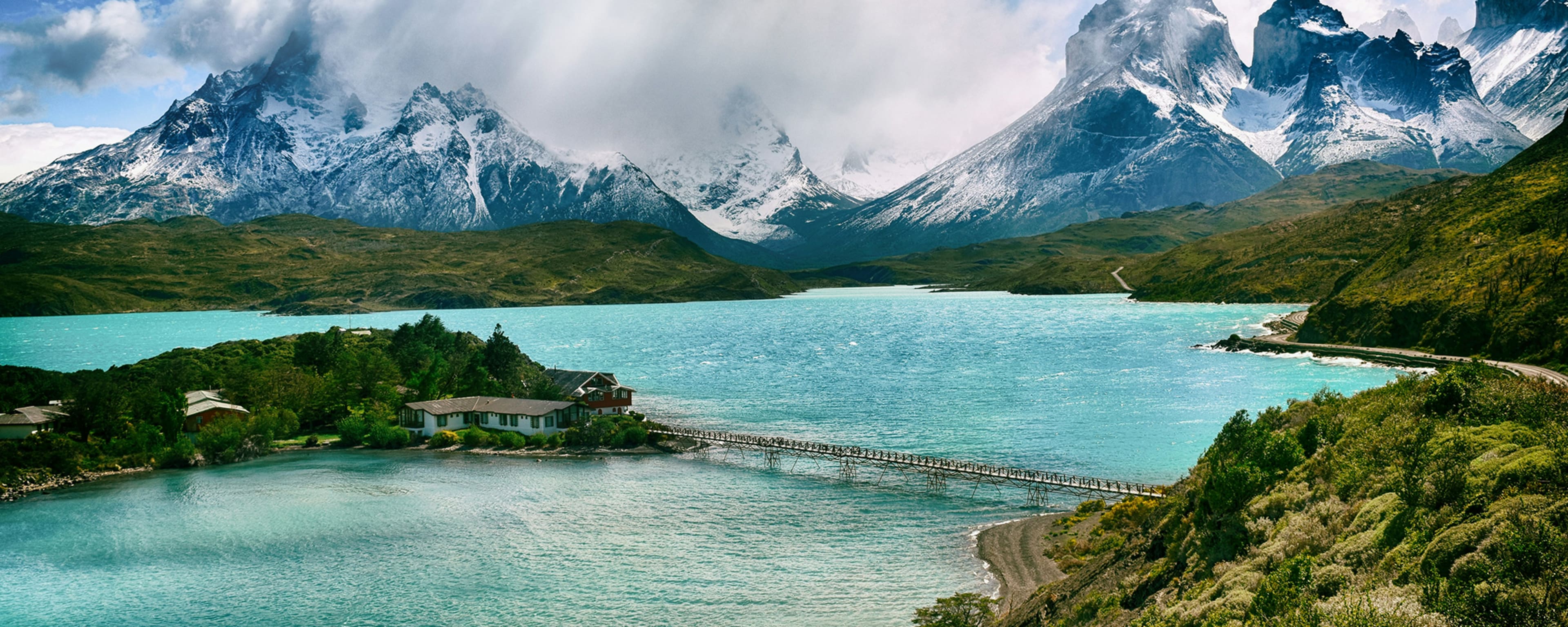
To get to Antarctica, IAATO member operators handle all environmental and access compliance on your behalf. Most Antarctic cruises depart from Ushuaia, Argentina, the southernmost city in the world and the primary gateway to the continent.
From there, ships cross the Drake Passage, an approximately two-day sail that ends at the Antarctic Peninsula. If you’d rather shorten that transit, you can fly the Drake Passage instead, departing from Punta Arenas, Chile, and joining your ship already close to the Peninsula. However you arrive, the best time to plan a trip to Antarctica is November through March, the southern hemisphere summer, when access and wildlife viewing are both at their peak.
Getting to your departure port is only one piece of the planning. Kensington can arrange your stay in Ushuaia or Buenos Aires before your cruise, so you have time to acclimatize and explore Argentina, or extend your trip afterward to see more of the region. If you’re flying the Drake, the same goes for Punta Arenas and Santiago.
To get to the Arctic, you can board your polar expedition cruise from several ports in Iceland, Norway, or Greenland. While there, Kensington recommends taking time to explore your European destination and combining your Arctic cruise with cultural experiences on land. For peak access, active excursions, and wildlife viewing, Cruise Experts like Chris Watkins recommend summer sailing from June to September.
This is exactly where Kensington’s Cruise Experts come in. Beyond the logistics of simply getting there, they help you navigate ship selection, departure points, itinerary timing, and activity level, building a custom polar cruise itinerary around how you actually want to experience Antarctica or the Arctic.
Kensington operates in more than 120 countries, and polar cruises sit well within that expertise. Whether you’re planning a luxury polar cruise to Antarctica or creating a custom itinerary through the Arctic and Northern Europe, your Cruise Expert is dedicated to crafting every part of your journey with you.
If you’re ready to start planning your own trip to Antarctica or the Arctic, or you simply have more questions, talk to a Kensington Cruise Expert.
Reykjavik, Myvatn, Akureyri
Uncover Iceland’s wildlife and Arctic coast as you journey through glaciers, volcanoes, and marine wonders
Buenos Aires, Antarctic Cruise
Uncover Antarctica’s wonders on a luxe expedition—polar wildlife, zodiac tours, and refined onboard comfort
Buenos Aires, Antarctic Cruise
Embark on a luxury Antarctic journey with expert guides, fine dining, wellness, and exclusive polar excursions
Sign up to receive the latest on Luxury Travel, thought leadership, exclusive offers, specials and events.









Experience authentic travel. Request a custom quote today and get one step closer to your personalized trip.
Speak to one of our Destination Experts at 1 888 903 2001
 Request a quote
 Request a quote
 Request a quote